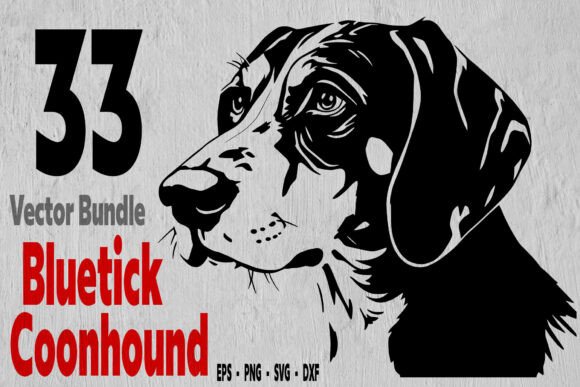
Bluetick Coonhound Dog Svg Vector Bundle
Design Considerations for Specific Applications
Small Hoop Sizes: The design is manageable in smaller hoops, but some intricate details might be lost if the hoop is too small.
Textured Fabrics: On fabrics with texture, the design remains legible, but stitching clarity may decrease slightly.
Thin or Stretchy Fabrics: These require careful handling and the use of proper stabilizer to maintain shape and detail.
Dark Fabrics: The design’s contrast may be less effective on dark backgrounds, so testing on scrap fabric is recommended.
Layered Garments: The design should work well on layered items like quilts or blankets, provided the layers are stable.
Curved Surfaces: While suitable for caps and hats, the design may need adjustments for optimal placement on curved surfaces.
Detailed Corners: The corners are well-defined, which is a plus for precision stitching.
Tiny Lettering: If included, the design’s lettering is clear but should be tested on fabric for visibility.
Dense Stitch Areas: The design avoids overly dense areas, which helps reduce tension issues during stitching.
Practical Designer Notes
- Test on Scrap Fabric: Always test the design on scrap fabric before committing to a final product.
- Check Thread Color Contrast: Ensure the thread color provides enough contrast against the fabric.
- Review Stitch Density: Adjust stitch density based on the fabric type and desired effect.
- Confirm Hoop Size: Choose a hoop size that accommodates the design without stretching or distorting.
- Inspect Small Details: Pay attention to tiny elements like eyes or fur texture for overall quality.
- Test in Black and White Mockups: This helps identify potential visibility issues on different fabric backgrounds.
- Use Proper Stabilizer: Especially important for stretchy or thin fabrics.
- Check for Commercial Use: Confirm licensing terms before selling finished items or digital products.